Contact form
Project
Rip and cross on composite decking for a patio.
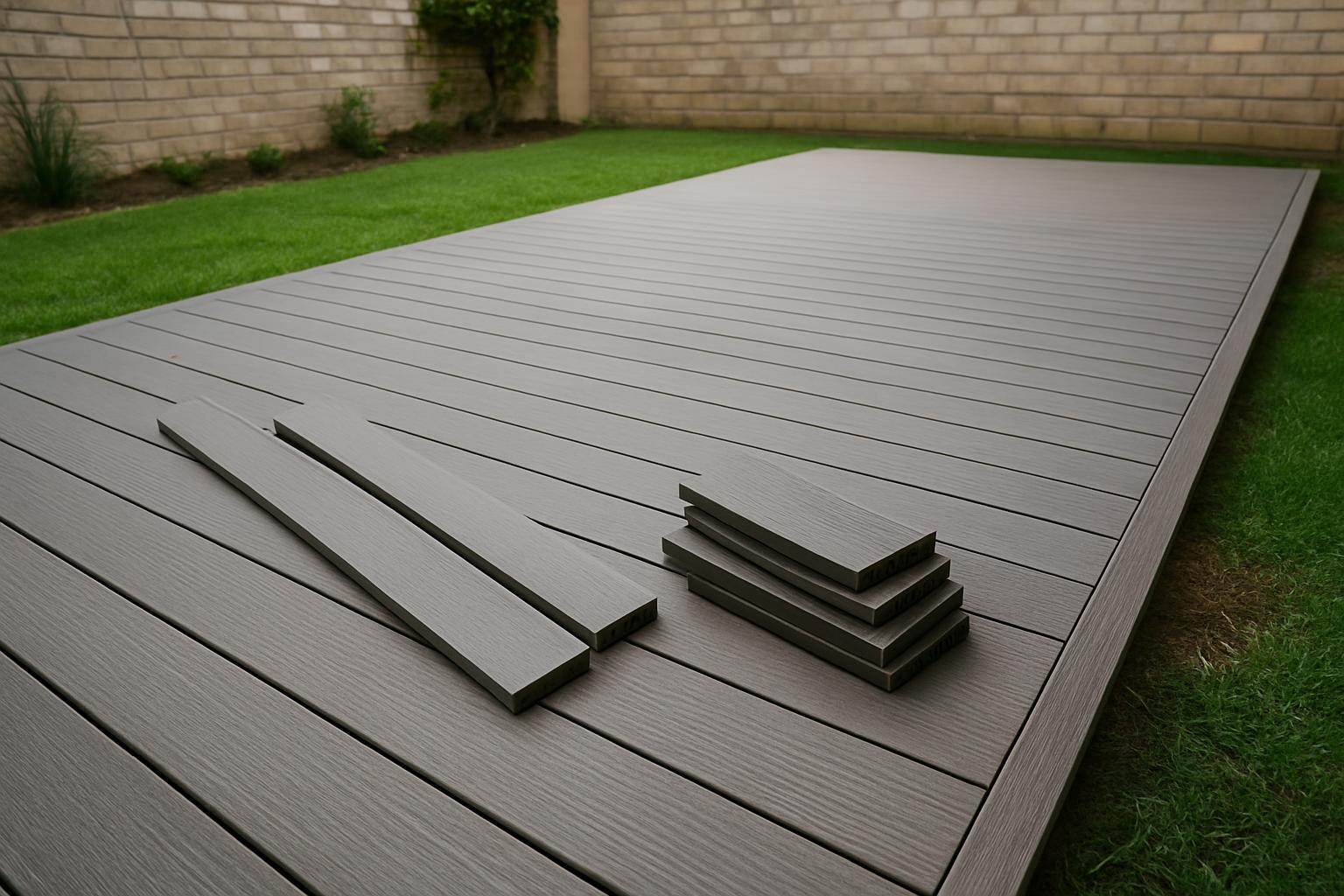
This Fourways composite deck page records the rip and crosscut setup used on patio boards, rather than treating the install as a generic decking job. Composite planks can fray at the edge or heat up in the cut, so the blade choice, feed pace, and support under the board matter more than the finished photo. The notes here stay focused on board behaviour, kerf awareness, and what was checked before more lengths were loaded onto the saw.
At Fourways, the first board was photographed and archived after the initial passes so the edge quality could be compared with later cuts from the same stack. Flanges were cleaned before the next run, and the handover record covered board type, cut direction, and any visible chip at the corners. If you need to match a similar setup, use our contact form and include your city, stock, and intended cut sequence.
What carried over from this patio work was the cutting routine, not only the image of the installed deck. The useful record was whether the blade seated correctly, how the kerf presented on the composite profile, and which passes gave the tidiest exit on the board ends. For related stock and tooling, see Carbide Rip Blade and Composite deck board.
This Fourways reference does not override the conditions in your own workshop or on site. Composite decking can react differently depending on machine power, dust extraction, board density, and the day’s heat, so the cut quality on one patio should be read against your own test pieces. Where the stock or machine falls outside normal workshop use, confirm the limits with the supplier before production cutting starts.
Verified Google reviews
Kya Sands, Johannesburg. Use our contact form for deck board details, saw setup, and the cut direction planned for this project.