Contact form
Material path
Extruded angle and flat bar for frames and trims.
Primary blade: Aluminium Negative Rake
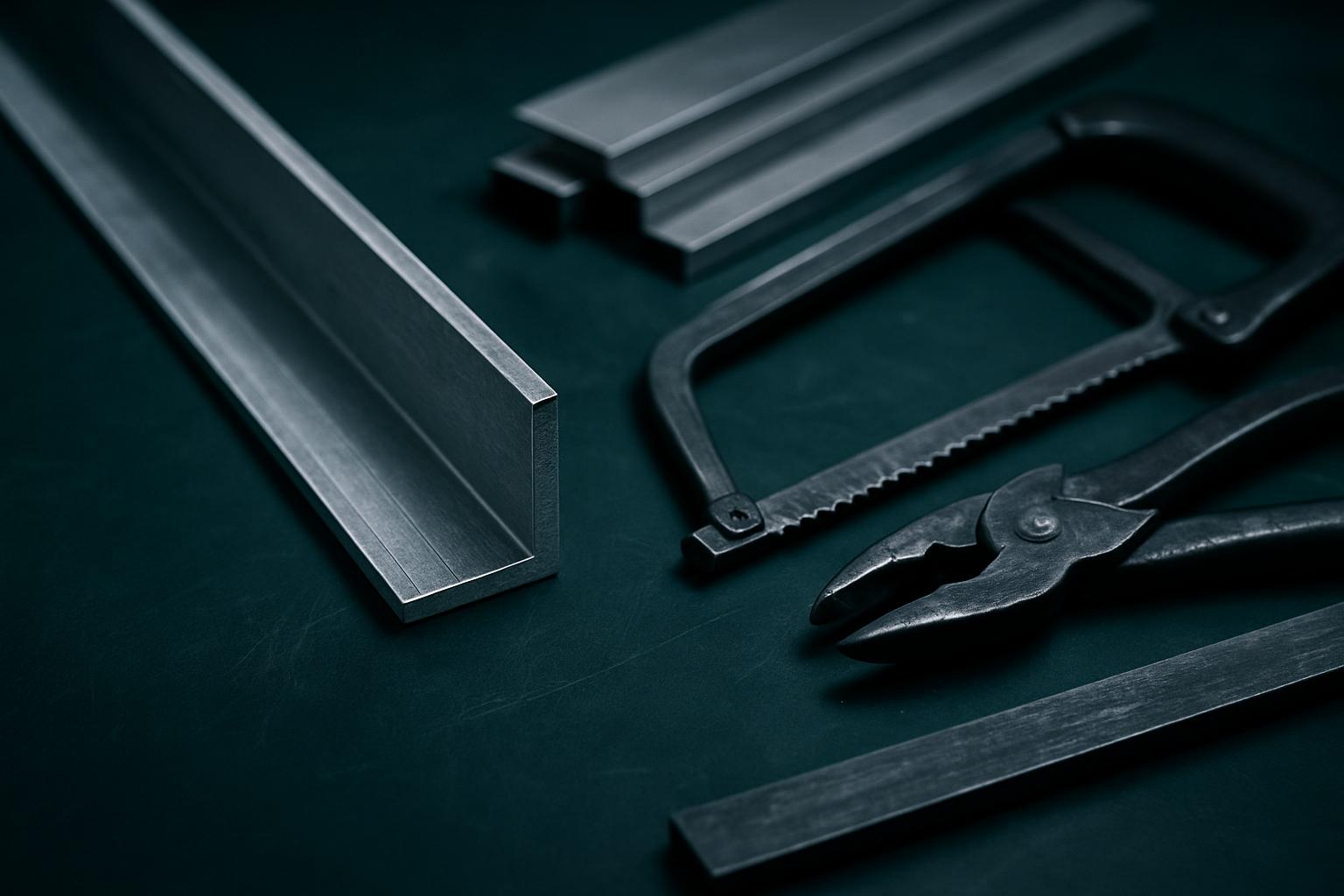
Aluminium angle trim is usually light extruded section used for edging, frame returns, drawer fronts, and neat corner protection on cabinetry and shopfitting. The profile may look simple, but thin legs ring, burr, and mark easily if the saw setup is wrong. Start this material on the Aluminium Negative Rake path so the cut enters the section with better control on mitres and short lengths.
Begin by noting leg size, wall thickness, alloy if known, and whether the finish is mill, anodised, or powder coated. Then match the blade diameter and bore to the machine, check flange cleanliness, and support the section so neither leg twists during the cut. For repeated pieces, set a positive stop that does not trap the offcut between fence and blade.
On South African workshop sites, aluminium trim often gets cut between timber jobs, which is when dust, wrong clamps, and rushed blade changes cause trouble. Load-shedding also encourages batching, so mark dedicated trim lengths before power returns and keep protective film on as long as possible. If the profile is decorative, inspect the visible arris under good light before wrapping.
Angle trim needs more than a material name on the job card. Include the profile size, finished length, visible face, and whether corners will be butted or mitred, because those details change the cutting approach. When you send a query, mention the machine type and the blade path in use so the kerf note matches what is happening at the saw.
For Johannesburg shopfitting, Durban coastal work, or Cape Town architectural trims, finish condition matters as much as size. Anodised stock shows clamp marks quickly, while powder coated lengths can chip on the exit side if feed is too hard. Keep the first sample from each batch beside the saw for comparison through the run.
Most waste on angle trim comes from three issues: burr-heavy exits, drifting mitres, and cosmetic damage from poor holding. Thin sections can also grab if short offcuts are allowed to move at the back of the blade. Treat small trim as precision stock, not general scrap-length material.
Heat build-up, embedded dust, and mixed-profile batches often create avoidable rejects in local workshops. Match the blade to the relevant kerf note and use the contact form when you need to identify a cut issue from photos or machine details. Include your city, profile size, and whether the stock is mill finish, anodised, or powder coated.
Primary path: Aluminium Negative Rake. Browse more under Blades and Kerfs.
A useful message for angle trim includes the profile dimensions, saw type, blade diameter, bore, and the finish on the stock. Add a photo of the cut face if you are seeing feathering, burrs, or corner breakout on mitres. It also helps to mention whether pieces are cut singly or in a bundled stop setup.
Workholding makes a visible difference on aluminium trim. Check your clamping and support parts under Holders, then print any saw-side reference cards from Resources so operators use the same terms for burrs, feed, and finish marks. Consistent wording helps when several people handle one batch.
Operated by Astros Marketing (Pty) Ltd. Use our contact form.
Verified Google reviews
Aluminium angle trim queries can go through our contact form, and collection or routing should be marked for Kya Sands, Johannesburg.