Contact form
Crosscut
Clean crosscuts on MDF, ply, and softwood blanks.
Use our contact form when the saw spec or stock is not clear. The Setup guide covers blade direction, flange seating, and first-cut checks for this 60T or 80T crosscut option. For cleaning pitch and storing the plate flat, see Care.
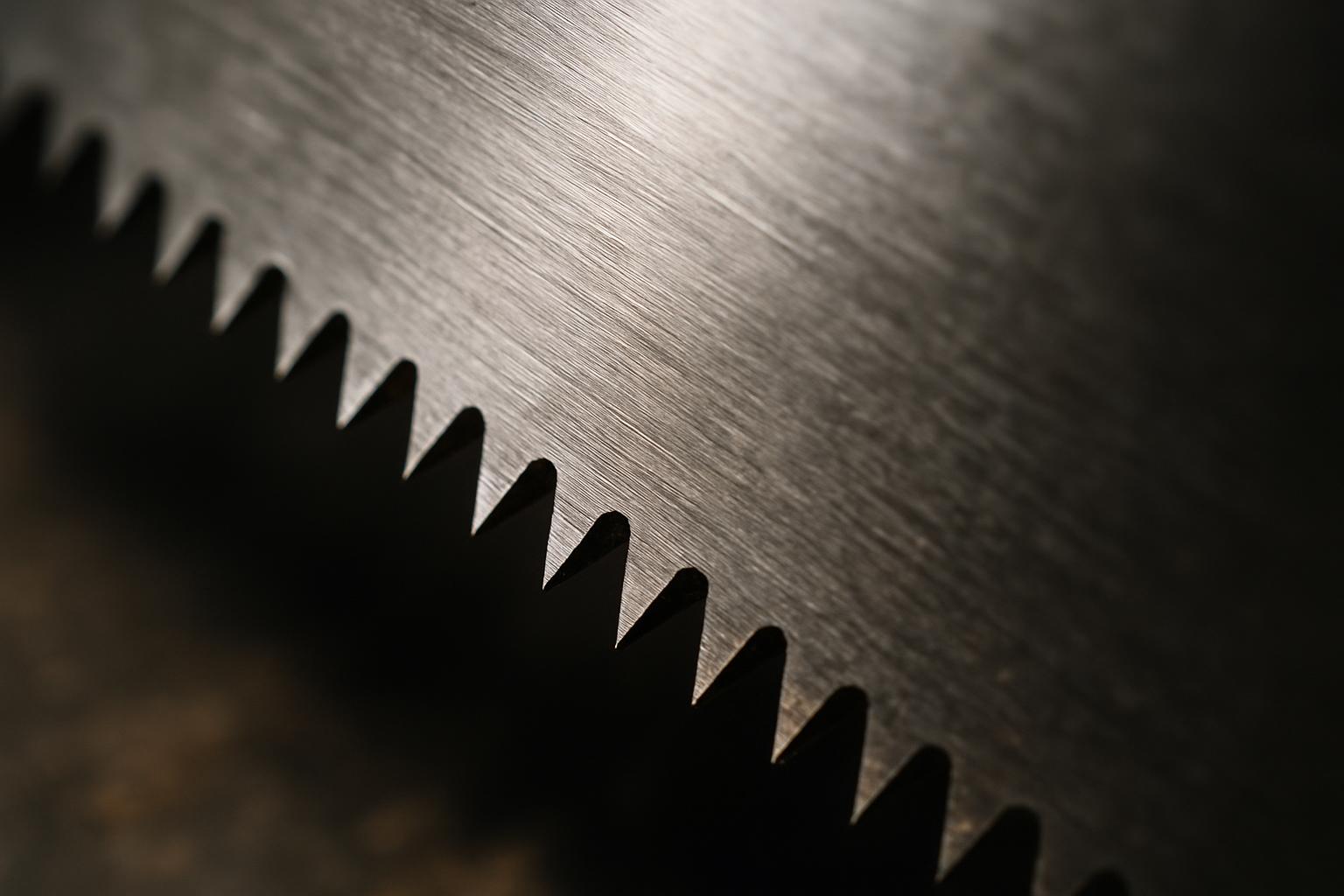
Fine Crosscut is the blade page operators reach for when MDF, plywood, or softwood blanks must come off the saw with a cleaner edge. On busy Gauteng shop days, the trouble usually starts at setup: resin on the flange, a rushed height setting, or feed pressure that pushes past what a 2.8 mm kerf wants. That first board photo matters here because it records chip-out, face quality, and whether the cut is tracking square before the stack rate climbs.
For veneered ply, a higher tooth count helps keep the top face neat, while softer pine components often run well without forcing the cut. Bore size is 30 mm, so arbor fit must be checked before anyone blames the plate for wobble or heat marks. Keep the note card near the saw: blade height just above the work, fence verified, and offcut support ready before the run starts.
Dont skip the first board photo. Every commissioning pack includes a brief card and a tip to photograph the first board with the kerf in frame. That is the difference between a smooth restart and a scrap message at 05:40.
Fine Crosscut is for this job, not a general saw note. It gives your team the tooth options, the 2.8 mm kerf, and a reminder to capture the first sample board before production pace takes over. If the stock changes from softwood to faced board, check Materials before keeping the same setup.
Read the blade note with the matching entry under Kerfs so the kerf width and feed expectation stay aligned. If you use our contact form, include the material, sheet or blank thickness, and whether the current issue is breakout, burning, or drift. A quick flange wipe and bore check often solves more than another test cut.
Fine Crosscut does different work in inland and coastal shops. Highveld dust can build on flanges and guards during a long day, while coastal moisture can affect sheet handling before the saw even starts. Keep the attention on simple checks: clean mounting faces, sensible feed, and a photographed first result.
Durban and Cape workshops may need more frequent wipe-downs when salt air and fine grit start marking hardware. In Johannesburg and the East Rand, dry dust and repeated stop-start power conditions can turn a good blade change into a poor cut if setup is rushed after downtime. Separate cut-quality checks from machine faults, and confirm blade seating before adjusting fence or blaming the stock.
Operated by Astros Marketing (Pty) Ltd from Sunnyrock 1401, with the shop in Kya Sands, Johannesburg.
| Teeth / grind | 60T / 80T |
|---|---|
| Kerf | 2.8 mm |
| Bore | 30 mm |
| Notes | Photograph first board before rate climbs. |
The key numbers workshop staff use at the saw are 60T or 80T, 2.8 mm kerf, and 30 mm bore. Keep those details with your machine notes so replacements and setup checks stay consistent. If you need to query fitment or application, use the contact form and name Fine Crosscut.
Fine Crosscut questions can come through our contact form, whether the issue is bore fit, material choice or edge finish on MDF and ply. TrueCut is in Kya Sands, Johannesburg.
Verified Google reviews