Contact form
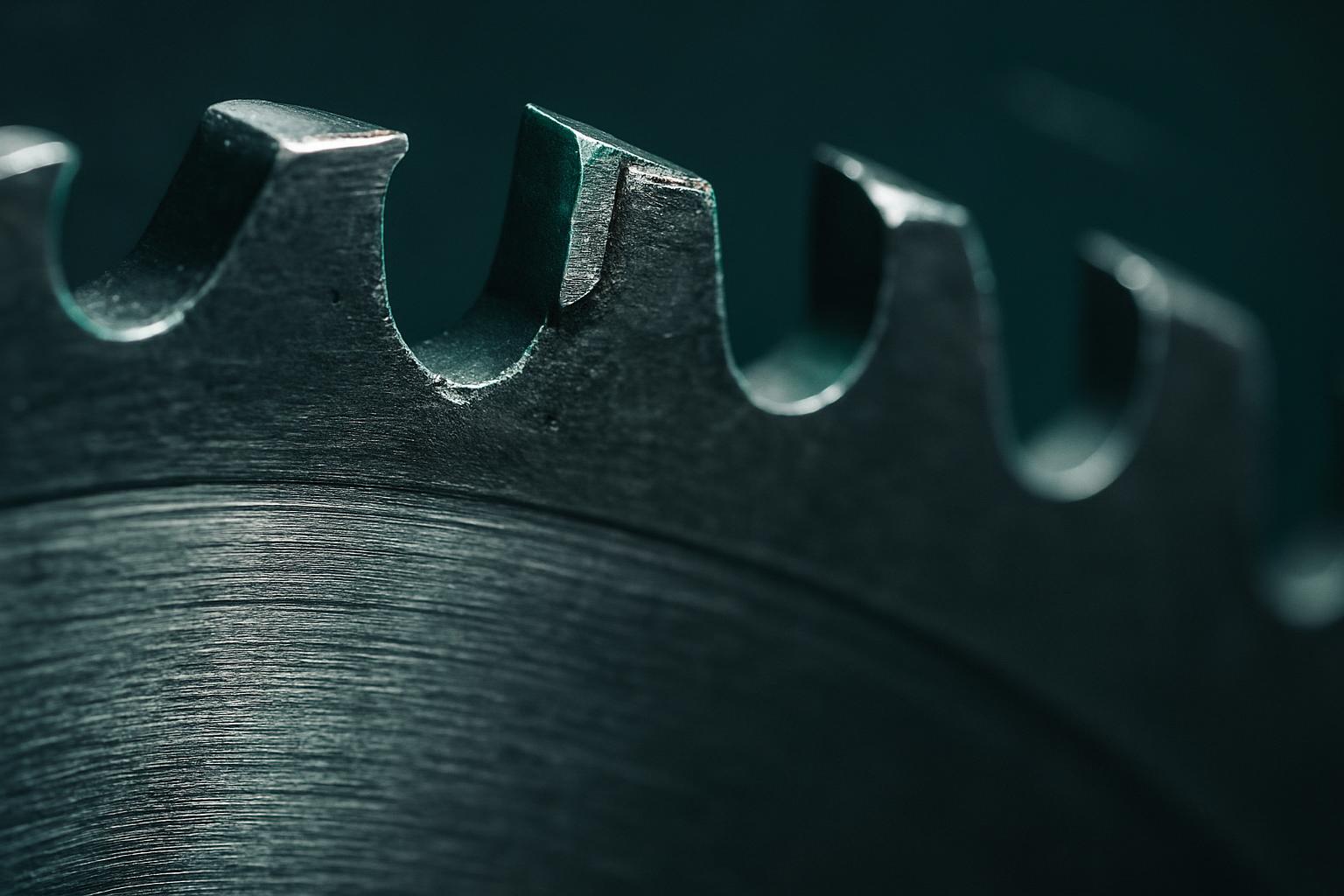
Fit the Carbide Rip Blade with the saw isolated and the arbor threads clean. Raise the blade so the top tooth sits just above the timber, then lock the fence after measuring front and back for parallel. In Gauteng winter starts, let the machine run briefly before the first rip so the motor and bearings are not taking load stone cold.
Use the correct bore for the spindle and avoid a reducer that can shift under load on a cabinet saw. Set the riving knife in line with the plate, with enough clearance that it does not pinch the cut behind the blade. Check that blade body, kerf and knife thickness suit one another before hardwood goes through.
Keep the first test piece from every setup and mark it with species, thickness and saw name. A quick note on burn marks, feed feel and edge finish gives the next operator something useful to compare against. On busy workshop boards, that sample tells more than a long handover message.
A Carbide Rip Blade is set up for solid timber moving with the grain, not for every sheet product in the rack. Pine and SA pine shelving can take a steadier push, while saligna and oak need a cleaner, more deliberate feed to keep heat down. If you are cutting melamine faced board, swap to the blade and scoring arrangement intended for that finish.
Use this setup page together with the matching material path and the relevant kerf note before changing timber species or thickness range. If your spindle size, arbor length or motor power sits outside the usual shop setup, send details through our contact form so the blade fit can be checked against what you run.
Stop and reset if the saw starts pulling stock sideways, if the cut face shows burn lines, or if the offcut closes on the back teeth. Those signs usually point to fence misalignment, a riving knife out of line, or a dull edge carrying too much heat. On dense local hardwoods, forcing another pack through often turns one setup fault into a stack of rejects.
If stock is being moved between branches or trade counters, write down the blade diameter, bore, kerf and timber used on the last successful rip. Teams working through Clearwater, Cresta, Pavilion, Tyger Valley, Baywest, Mimosa and Riverside can pick up the setup faster when that note travels with the sample piece.
Verified Google reviews