Contact form
Guide
Set the saw for non-ferrous work before the first length goes on. Check arbor fit, blade height and fence alignment, then make a test cut on scrap aluminium to confirm a clean entry and exit. Negative rake geometry behaves best when the machine is square and the stock is held firmly.
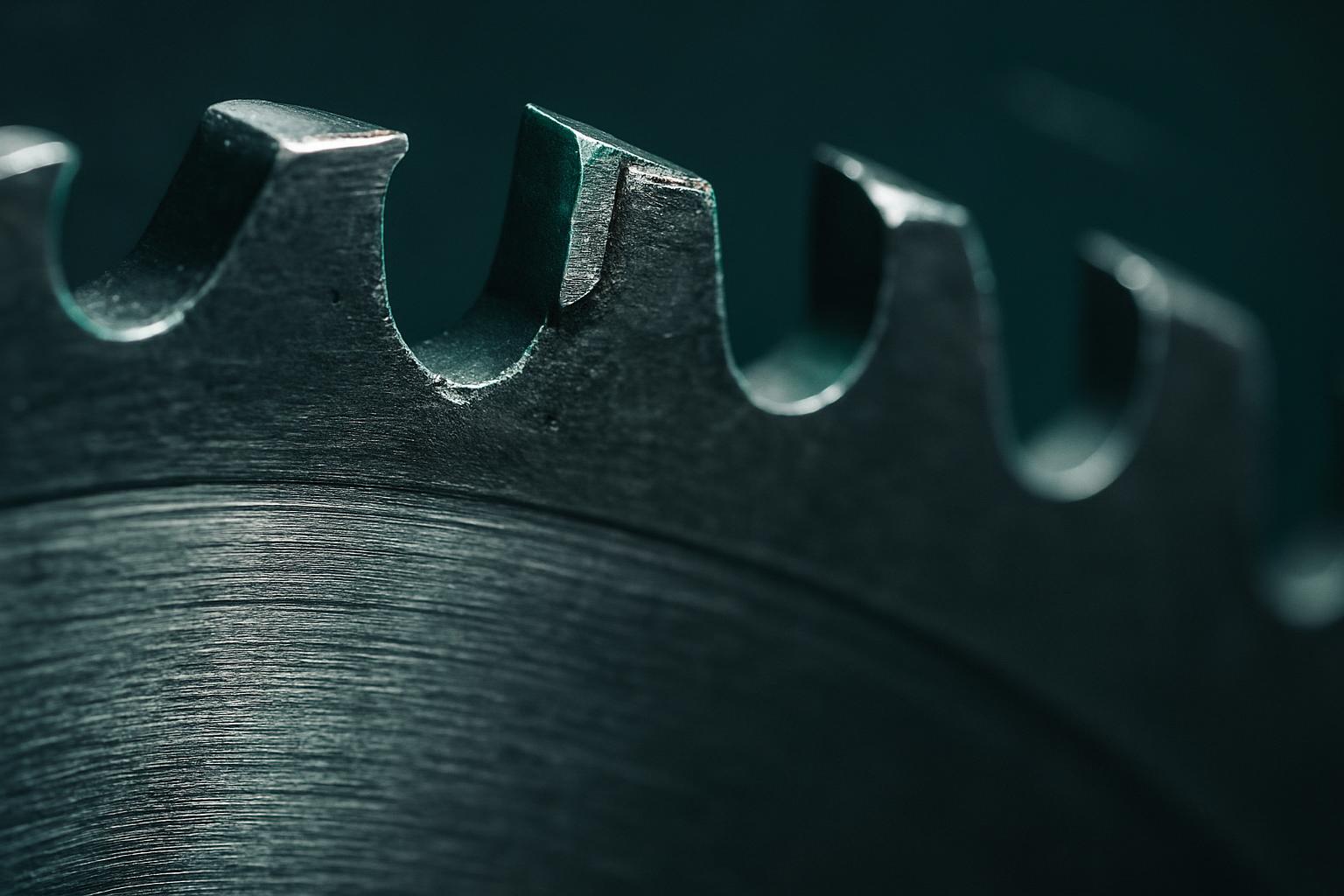
Start with the machine isolated and the arbor threads clean. Fit the Aluminium Negative Rake blade with both flanges free of swarf, tighten to the saw maker's spec, and turn the blade by hand to confirm guard and insert clearance. On Highveld winter mornings, many shops do two or three light cuts in offcut extrusion before moving to customer material.
Use the bore size that matches your spindle properly, typically 30 mm on many panel and table saws. A loose reducing bush introduces chatter, which shows up quickly on aluminium angle and flat bar. Before cutting, confirm the riving knife sits in line with the plate and does not exceed the blade body thickness.
Keep a sample from the first acceptable cut at the saw, marked with blade code and machine name. That reference piece makes it easy to compare burr level, face finish and feed marks across shifts. In busy Kya Sands workshops, a tagged offcut often settles setup questions faster than a verbal handover.
Aluminium needs support that stops vibration without bruising the section. Set blade projection only slightly above the material so the negative hook can shear cleanly rather than grab. Thin wall extrusion usually cuts better with steady pressure and a measured feed, not a fast shove through the fence.
Use this setup page alongside the matching material path and the relevant kerf note when changing between extrusion, plate and laminated non-ferrous stock. If your spindle length, reducer arrangement or motor size falls outside common shop setups, send the details through our contact form so the guide can be read against your machine.
Pause the run if the cut edge shows heavy burrs, if the section rings loudly through the cut, or if the offcut closes on the back teeth. Those signs usually point to poor clamping, too much blade above the work, or a mismatch between feed rate and tooth count. Switching to another material path is better than pushing one setup across every aluminium profile in the rack.
If a job moves between branches or buying teams, note the blade type, diameter, bore, tooth count and the alloy or profile tested. Centres linked to Clearwater, Cresta, Pavilion, Tyger Valley, Baywest, Mimosa and Riverside can read that handover and continue from the same setup point instead of repeating the checks.
Our contact form is the place to include the saw model, arbor size, blade diameter and the aluminium section giving trouble. TrueCut works from Kya Sands, Johannesburg, so adding your site and material spec helps keep the setup notes exact.
Verified Google reviews