Contact form
2026-09-15
One blade, one material, one photo. Not a circus.
By Ms Zulfa Salie, Showroom host
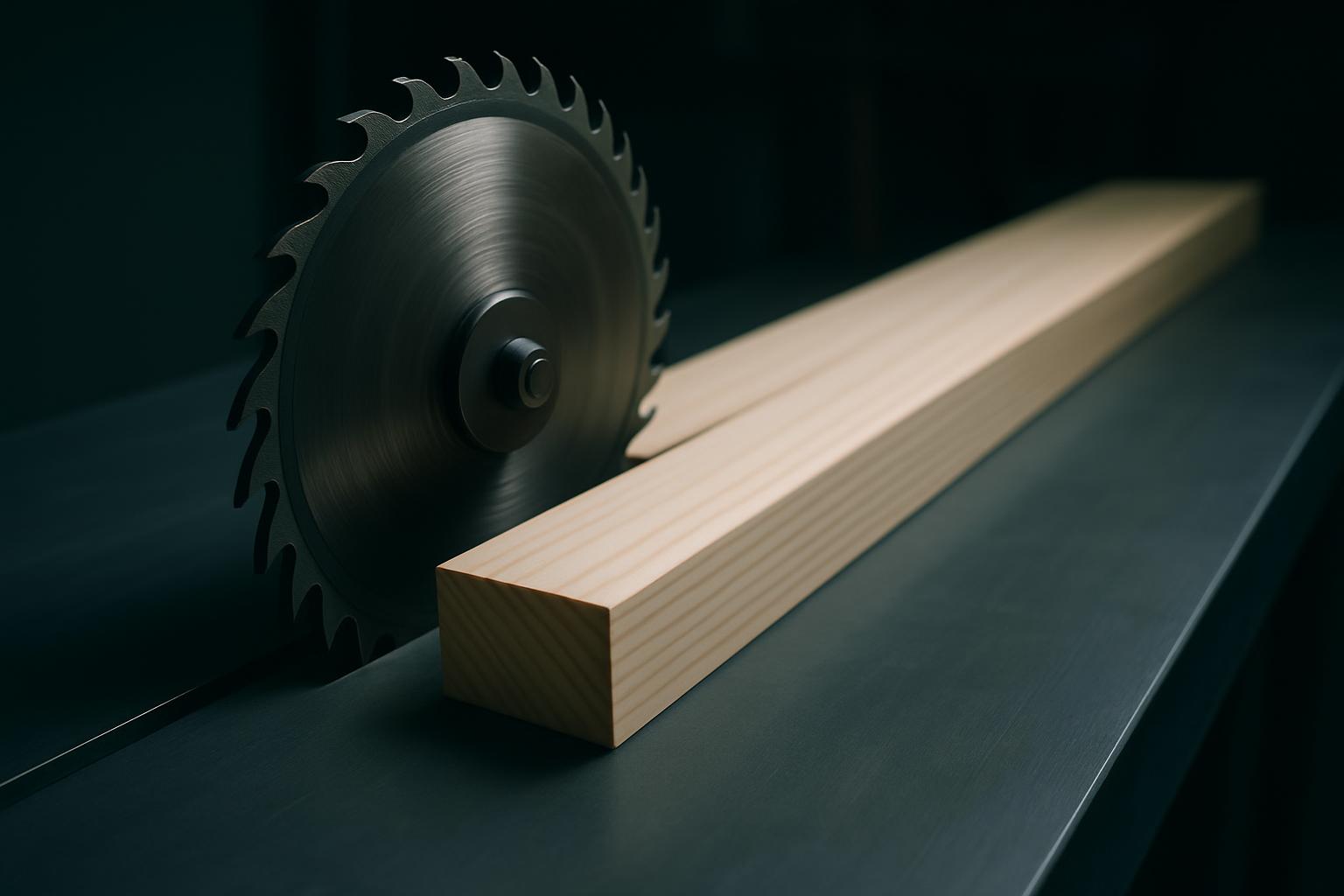
The Showroom demo card is for a single display cut where visitors need to see the blade, stock, and finished edge without extra talk. It records the exact material shown, the kerf seen on the sample, and any setting that changed the result. On a busy showroom day, that stops one neat demo panel from being mistaken for a workshop setting sheet.
Author Ms Zulfa Salie keeps the voice practical. No tapestry metaphors. No robust seamless filler. Just the check that saves a board when Highveld dust or coastal humidity shows up mid-shift.
Keep this card next to the sample board and the blade used for that pass. A quick photo should show the cut edge, chip-out if any, and the face that was presented to the saw. Once dust, handling marks, or coastal moisture alter the sample, replace the card notes with a fresh observation.
Start with the linked blade path and material path before the demo begins, then note only what was truly shown on the stand. If the card covers melamine faced board, do not let the same note drift onto pine shelving or aluminium trim later in the day. When you use our contact form, include the card title so the discussion stays tied to the same sample cut.
A showroom cut in Johannesburg can look different by late afternoon if Highveld dust builds on the arbor or the panel face picks up grit from handling. Durban humidity can raise a fuzzy edge on some boards that looked clean in the morning. The card should mention those conditions when they are visible on the displayed sample.
If the sample no longer reflects what the blade is doing, retire that card and file a new one under Kerfs. A demo note must follow the board on display, not an old assumption from another stand. That keeps the catalogue useful when visitors compare cuts side by side.
Before opening, choose one board, one blade, and one angle for the demonstration cut. After the pass, wipe the edge clean and mark which face was up so the display cannot be reversed by mistake. By closing time, check whether handling damage or extra test cuts have made the sample card inaccurate.
Melamine usually needs a chip check on both faces after repeated handling under showroom lights. MDF often shows dust packing on the edge, so the card should distinguish between surface dust and a rough kerf. For OSB or shutter ply, note any heat smell or darkening if the demo blade was pushed too hard.
When sending a question through our contact form, give the city, the displayed material, and the blade named on the card. Add whether the sample was cut on a panel saw, table saw, or mitre saw. That makes it easier to compare the showroom result with the setup used in your workshop.
Treat this as a demonstration sample, not a blanket rule for every board in the rack. If thickness, coating, or blade diameter changes, open a separate card and keep the cuts apart. Mixing them on one display note makes the kerf observation useless.
Pass it on through our contact form when the showroom card showed a gap between the demo cut and your stock on the rack. Add the blade code, board material, and whether the sample was checked in Johannesburg dust or coastal humidity so the next recommendation matches what happened at the saw.
Verified Google reviews