Contact form
2026-09-13
Site OSB fills thin-kerf gullets fast. Clean mid-pack.
By Mr Ayanda Baloyi, workshop lead
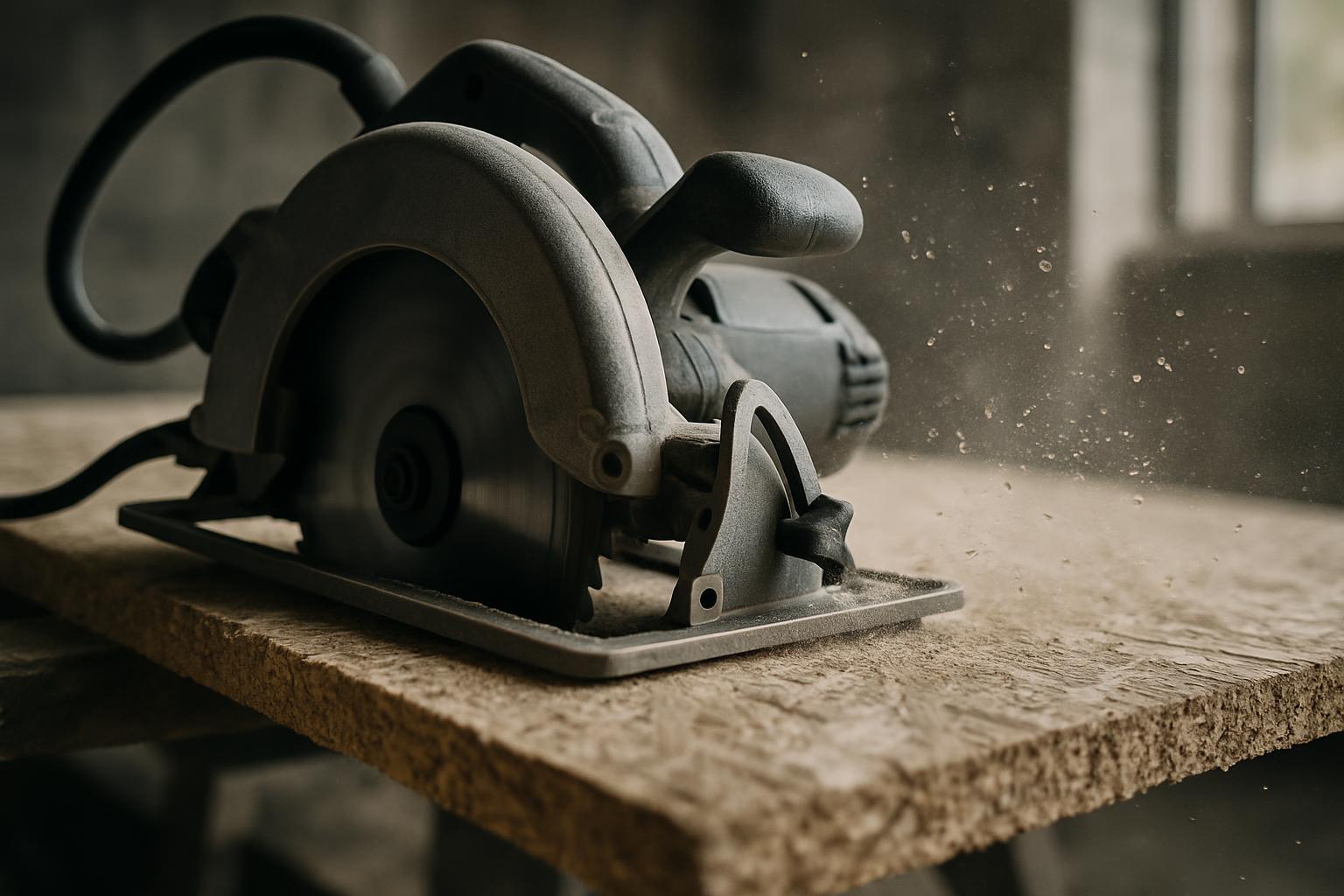
Site-cut OSB throws a light, resinous dust that compacts in thin-kerf teeth far quicker than clean board from a dry shop rack. On portable saws, that packed dust narrows chip clearance, heats the plate, and leaves the cut edge furry or scorched.
Mr Ayanda Baloyi writes these notes around what crews see on temporary benches, extension leads, and half-covered panel stacks. Expect checks for gullet loading, fence rub, and dust extraction that never quite keeps up on site. The language stays close to what matters at the saw.
Use it when OSB starts sounding harsher through the cut or when feed pressure rises after a few sheets. A quick stop to brush out the gullets can save a full sheet pack from ragged edges. Keep the note near the saw where the operator can compare symptoms before changing settings.
Check the related blade path and material path together before blaming the saw. OSB often cuts better on a slightly sturdier kerf if the machine has enough power and the pack is dusty. When you send details through our contact form, mark the question as OSB dust loading and name the saw you run.
Highveld jobs often mix dry windblown grit with OSB binders, which turns packed dust into a stubborn paste around the tooth roots. In Durban and the south coast, damp morning air can make sheet edges heavier and the dust cling inside guards and ports. During load-shedding windows, crews commonly push harder to finish cuts, so this note leans on short inspection stops instead of long resets.
Not every OSB sheet behaves the same, especially where imported packs, rain exposure, or rough storage have changed density across the stack. If your results differ, compare against other notes under Kerfs and mark what the blade face and cut edge looked like. That gives the next operator something usable, not guesswork.
First sheets usually cut acceptably even when the dust problem is starting, so do not judge only from the opening panel. By mid-pack, a thin-kerf blade on a handheld or site table saw may need more push and leave more loose strand on the exit side. In Kya Sands and similar yard setups, that is often the point to stop and clear the teeth rather than winding the saw deeper or forcing the feed.
Listen for a duller note from the motor after repeated rip cuts, particularly on unsupported sheets that chatter slightly. Check whether dust is building behind alternate top bevel teeth, because that changes the feel long before the blade looks obviously dirty. If the board starts smelling hot, clean first and only then reassess height and speed.
When using our contact form, send the city, saw type, blade diameter, and whether the dust is packing in the guard or in the gullets. Note whether the cuts are rips, crosscuts, or rough sizing for shuttering and hoarding. That points the answer toward extraction, tooth count, or kerf stability instead of a vague blade swap.
Resinous OSB dust can make a serviceable blade act blunt long before the edge is spent. When the material changes from OSB to pine shuttering or melamine-faced board, open the matching note and start again with that stock.
Kya Sands, Johannesburg. Use our contact form if site OSB is packing a blade with dust, and note the saw type, blade diameter, and whether the sheet is resin-rich or damp from storage. Include the cut direction and how many sheets were done before the kerf started to burn or wander.
Verified Google reviews