Contact form
2026-09-18
Let the tooth work. Pushing aluminium bends stock.
By Mr Yeshlan Singh, Non-ferrous counter

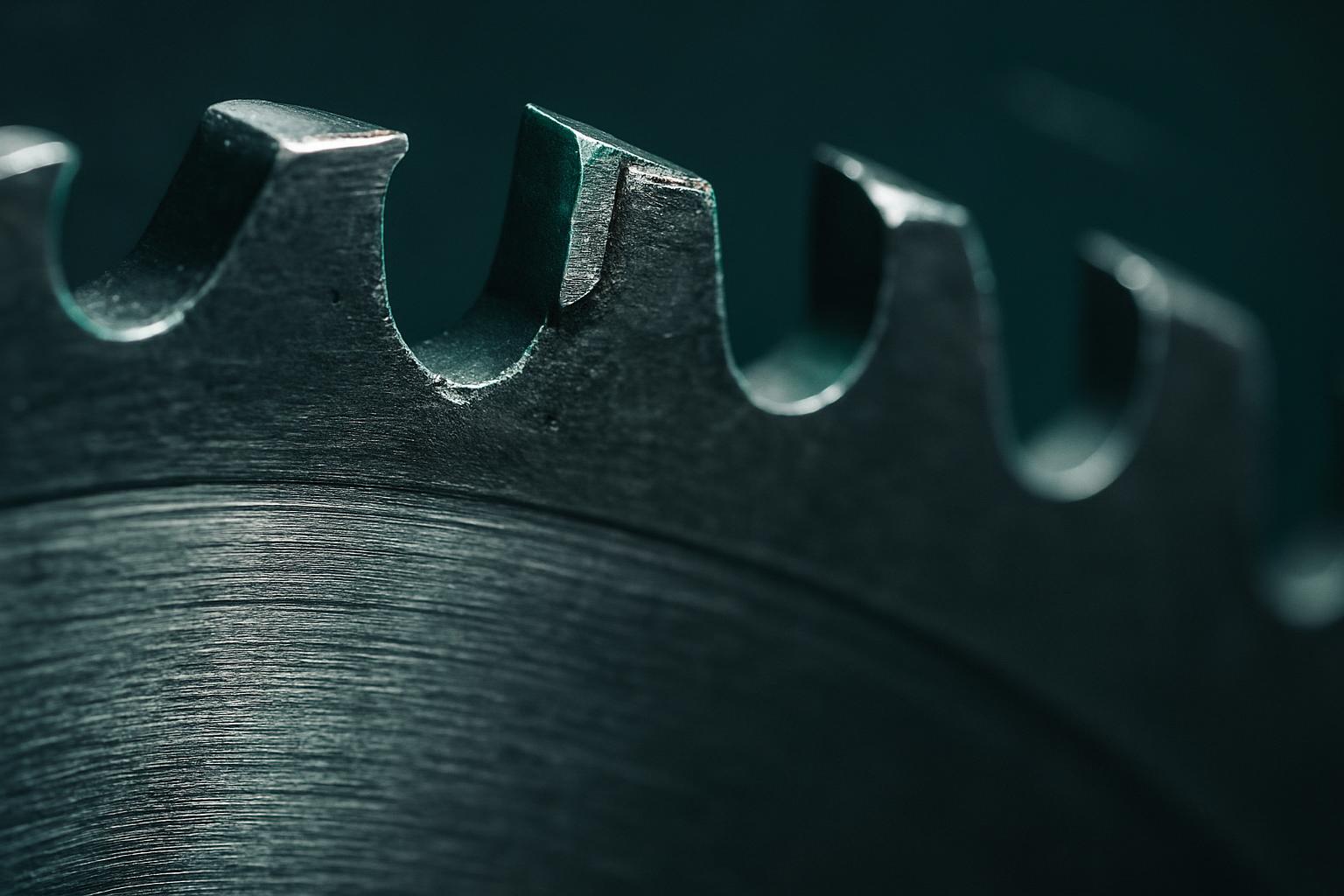
Negative rake blades feel different at the handle, especially on aluminium hollow sections and flat bar. The cut should ask for steady feed while the tooth takes a modest chip. When the operator forces the stock through, light material can lift, chatter, or close on the back of the plate.
Author Mr Yeshlan Singh keeps the voice practical. No tapestry metaphors. No robust seamless filler. Just the check that saves a board when Highveld dust or coastal humidity shows up mid-shift.
Use this note when the saw seems slow and someone wants to lean harder on the work. A negative rake tooth is there to control grab, not to race through thin wall section. Keep the pressure even and watch the swarf shape before changing anything else.
Start with the linked blade path and material path, then compare tooth form to the section on the table. A negative rake setup suits non-ferrous work where a positive hook can snatch at the edge. If you use our contact form, name the kerf note exactly so the team sees that feed feel is the issue, not only blade diameter.
On Johannesburg and Pretoria jobs, fine dust on the table can make feed feel heavier than it should. Wipe the fence face, table, and stock underside before blaming the tooth geometry. In Durban and the Cape, oxidation and moisture marks on stored aluminium can change how the face enters the blade, so check the first cut again after lunch.
If the saw still feels wrong, compare the note against the stock size and wall thickness before changing to a more aggressive hook. A blade that behaves well on 3 mm flat bar can feel reluctant on broad extrusion with poor support. See related cases under Kerfs when the symptom looks similar but the material is not.
First cut of the morning, clamp a short offcut of the same aluminium and feed with one steady motion. Listen for a clean, even note rather than a bite at entry. In Kya Sands or Jet Park, that quick test tells the next operator whether the blade is cutting or being pushed into the work.
For coastal shops, inspect the stock surface for bloom or moisture before restarting after a break. For inland sites, clear packed dust from the guard area and support rollers when the handle starts to feel unusually firm. On composite jobs with aluminium and board in the same run, do not carry one feed habit from one material into the next.
When sending details through our contact form, include the city, alloy or section type, and what the feed felt like at entry and exit. That gives enough to compare rake, tooth count, and whether support or clamping is the weak point. It also helps if reducer rings, flange marks, or visible rubbing showed up on the blade body.
Resin, aluminium pickup, and a slight wobble at the arbor can all mimic the same heavy feed. If the material family changes from solid bar to thin extrusion, treat it as a new check and not the same setting carried over.
Verified Google reviews