Contact form
2026-09-01
Exit chip means the wrong grind or a dull set.
By Ms Masego Ngwenya, Material path writer
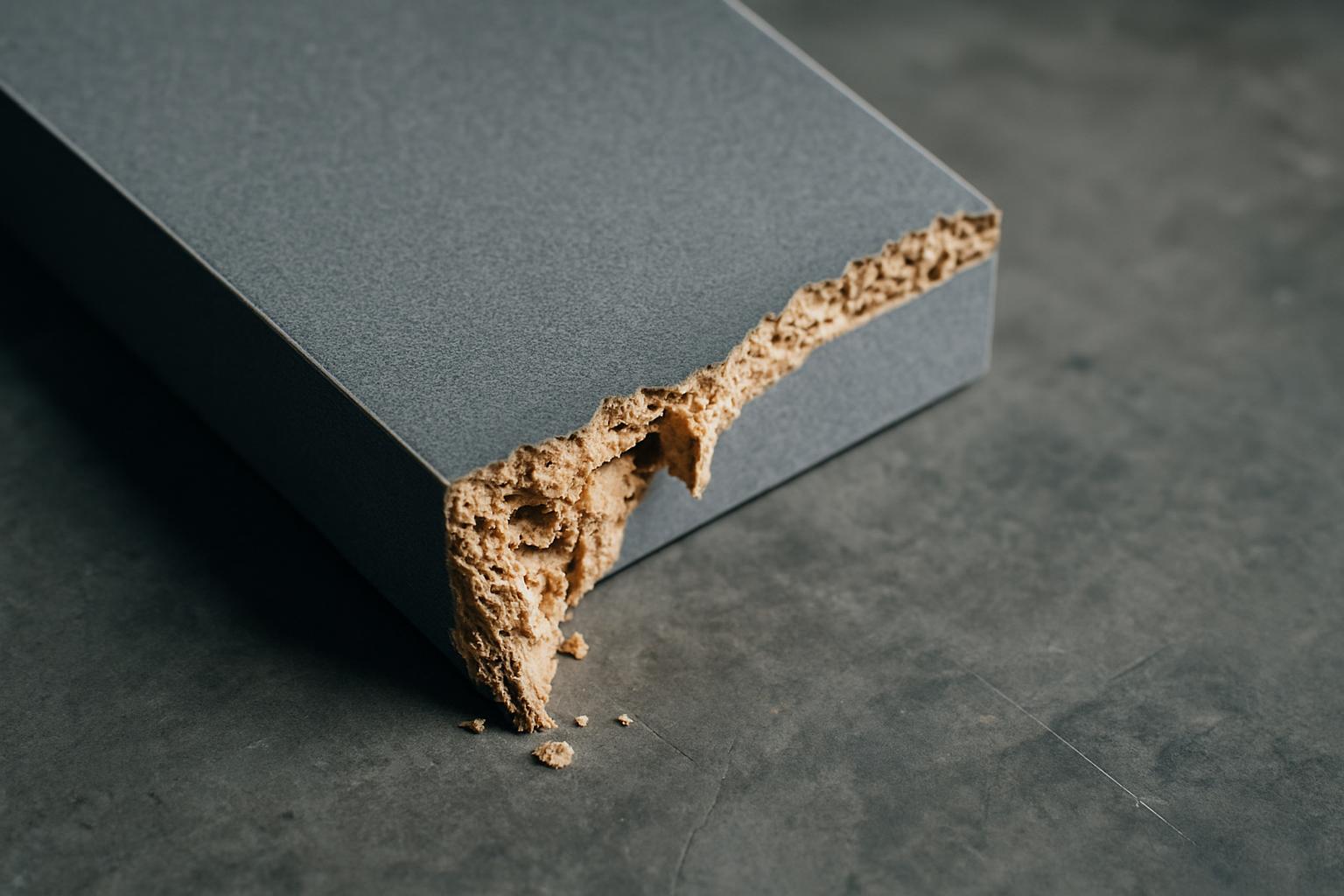
On a panel saw or table saw, that usually points to the wrong top bevel, a tired edge, or poor support at the exit side. The damage often shows first as tiny white bursts along dark decors.
Author Ms Masego Ngwenya keeps the voice practical. No tapestry metaphors. No robust seamless filler. Just the check that saves a board when Highveld dust or coastal humidity shows up mid-shift.
Check the first full-width cut, not only the offcut. Exit chip can hide on narrow strips, then show badly when a 600 mm panel goes through. Mark the machine side and feed direction so the next operator sees where the break started.
Start with the matching blade path and material path before changing feed, height, and scoring settings together. Exit-side chipping often improves with a sharp TCG or Hi-ATB pattern suited to faced board, plus correct blade projection above the sheet. When you ask about chipping, say which face was down on the cut.
On Highveld jobs, fine dust under the panel can lift the sheet just enough to spoil the exit edge. In Durban and along the coast, swollen storage packs and sticky residue on melamine faces can alter how the board sits on the bed. Look at hold-down pressure, table cleanliness, and stack condition before blaming the carbide.
If your board does not match this failure pattern, move through other notes under Kerfs. Melamine from different suppliers can vary in surface hardness, core density, and chip resistance, so the break line matters.
First cut one fresh panel with a known sharp blade and a clean bed. Next inspect the last 150 mm of the exit edge on both the keeper and offcut. Then raise or lower blade projection slightly and repeat, because too much tooth above the sheet can worsen breakout.
Where a scorer is fitted, confirm that it is centred and just wider than the main blade kerf. Without a scorer, add a backup board or zero-clearance support at the exit side for small batches. On nested work, vacuum hold-down and spoilboard flatness can matter more than feed speed.
Do not assume every melamine panel wants the same setup on a busy Friday. White-faced chipboard, moisture-resistant core, and imported double-sided sheets can react differently with the same disc. Open a separate note when stock, machine, or sharpening history changes.
For blade setup questions and panel details, use our contact form from Kya Sands, Johannesburg.
Verified Google reviews