Contact form
2026-09-16
Foam, labels, and a care card inside every crate.
By Mr Yeshlan Singh, Non-ferrous counter
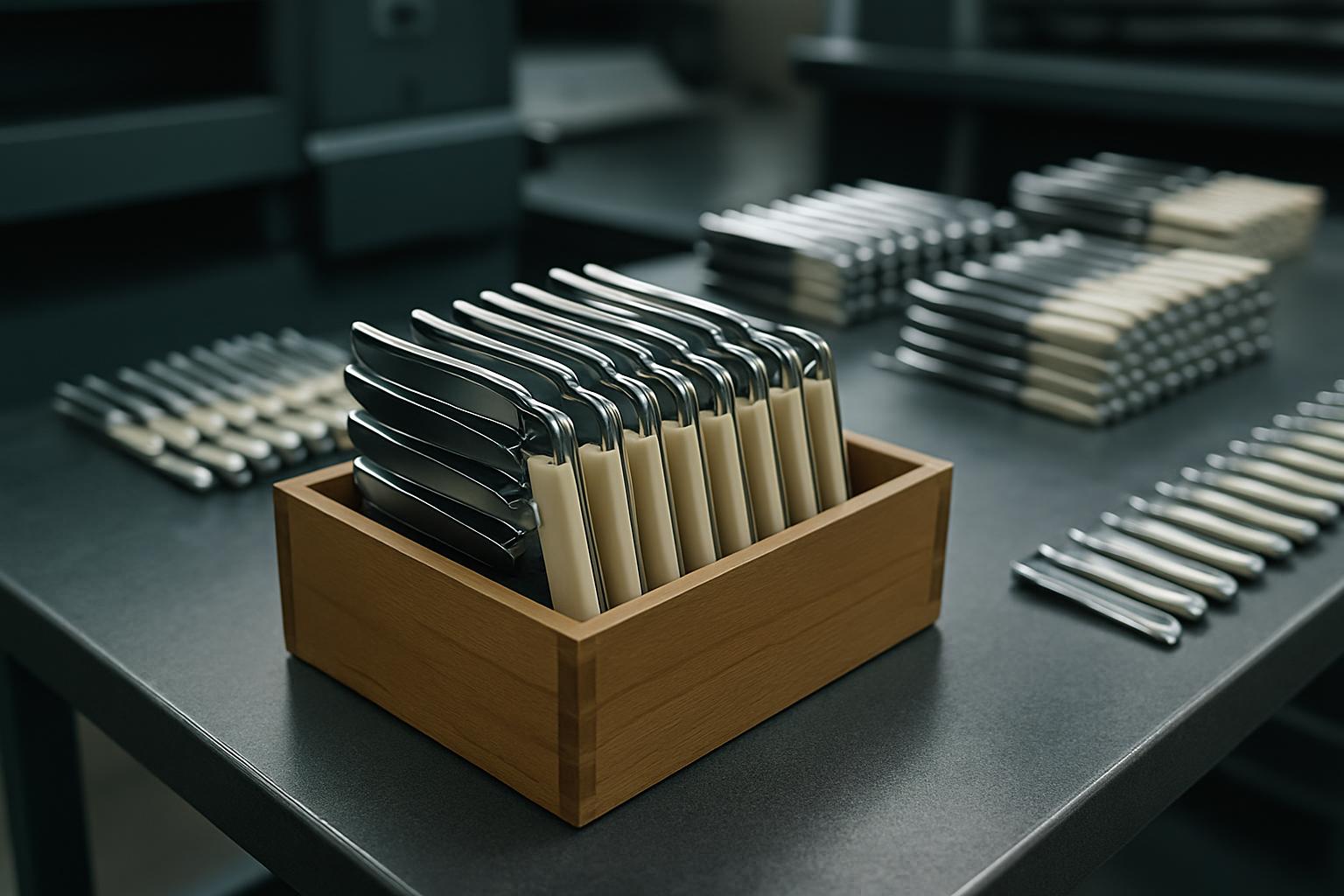
Export crate work often mixes pine, plywood, OSB and occasional hardwood bearers in one order, so the blade pack has to match more than a single cut list. On Gauteng jobs that pack usually travels further than the operator who first opened it.
Author Mr Yeshlan Singh keeps the voice practical. No tapestry metaphors. No robust seamless filler. Just the check that saves a board when Highveld dust or coastal humidity shows up mid-shift.
Treat the pack contents as setup guidance. Check the label against the stock going into the crate, then mark the first test cut with kerf width and blade code. One minute there saves costly rework when lids, cleats or base runners start pulling out of square.
Start with the linked blade path for the tooth form, then compare the stock in the material path before loading the saw. Export crate jobs can switch from dry SA pine to resinous pallet timber in the same bay, and that change affects feed pressure and edge finish immediately. If you need to query a mixed pack, use our contact form and name the crate type, timber, and whether staples or old fastener marks are present.
Johannesburg dust packs onto plates and flanges quickly, which can make a crate panel wander even when the fence is true. Durban and other coastal sites bring moisture into timber stacks, so a blade that ran clean at start-up can begin pinching by lunch. For export work, recheck width on base slats and lid members whenever the stock temperature or moisture feel changes.
If your crate line is using unusual board sizes, treated timber, or reclaimed runners, compare it with the rest of the notes under Kerfs before repeating the same setup across the whole batch. Kerf variation on crate parts shows up later as poor stacking, twisted lids, or strap pressure on the wrong edge.
First pull the foam and care card from the blade pack and confirm the packed blade matches the day’s timber list. Next run a short offcut for lid rails and another for base members, because those two parts often expose different issues on the same blade. At handover, leave the used label with the saw notes so the next operator knows which pack was opened.
Coastal teams should watch for swelling on plywood skins after midday, especially where sheets sat near open doors. Highveld shops usually need an extra wipe on the blade body and arbor faces when fine dust starts building around the guard. On OSB crate panels, stop and clear gullets as soon as the cut smell turns sharp or the edge darkens.
When sending details through our contact form, include the city, the crate material mix, and the blade code from the pack label. Add whether the job is fresh timber, reused pallet stock, or sheet material for export skins. That gives the right context for kerf guidance, reducer checks, and holder fitment notes.
A blade pack for export crates should not be stretched across every cutting task in the workshop. Fine crosscut work, rough pallet recovery, and sheet breakdown place different loads on the teeth and body. Once the stock family changes, open the next pack note and set up again rather than forcing one arrangement through the whole run.
Our contact form for crate pack queries from Kya Sands, Johannesburg.
Verified Google reviews