Contact form
2026-09-11
Teeth into foam, not into the next disc.
By Mr Retief Nieuwoudt, Kerf notes editor
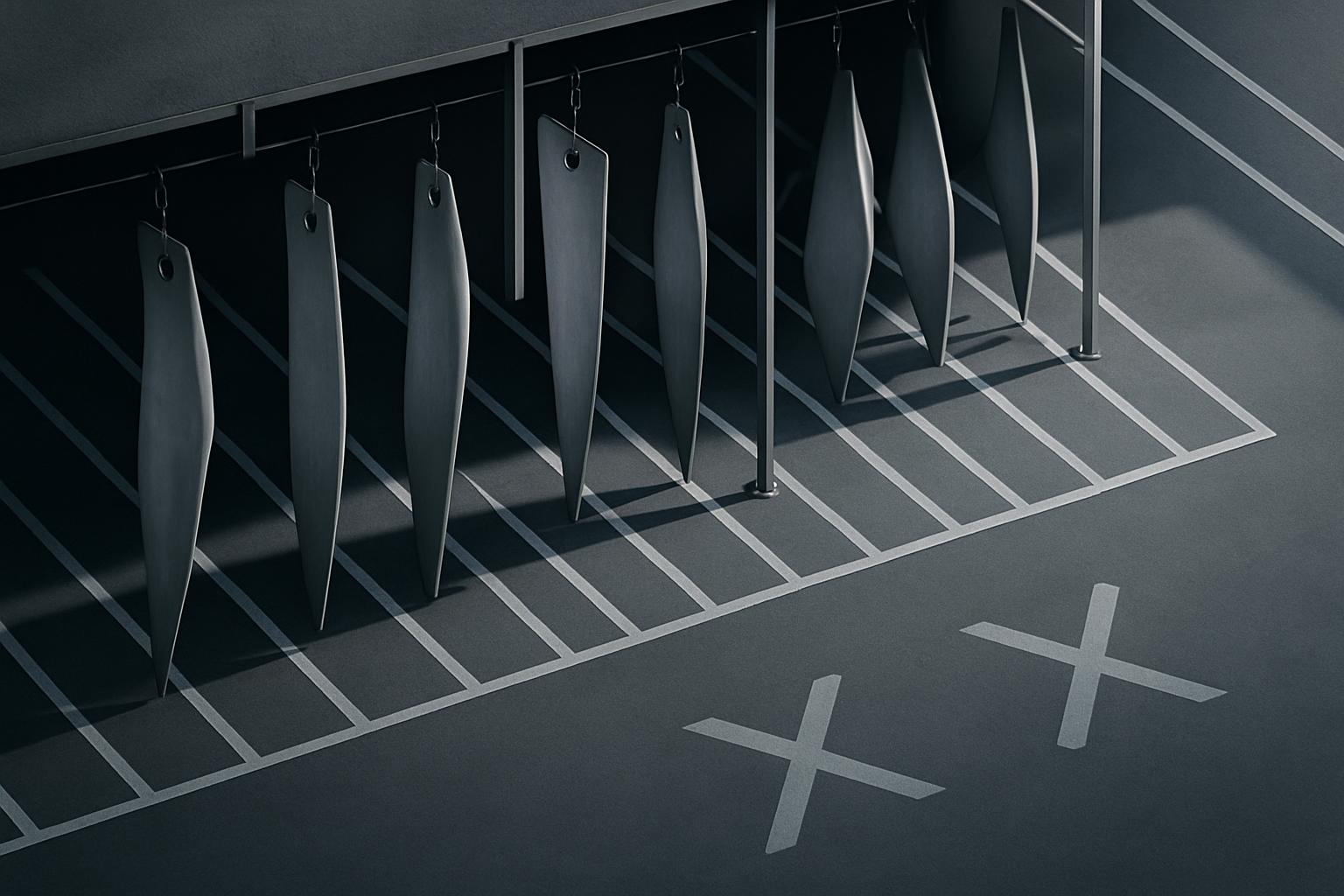
A stacked pile lets carbide tips touch steel faces, and that damage often only shows when the cut starts wandering. In Gauteng dust and coastal moisture, poor storage also leaves marks around the bore and plate.
Author Mr Retief Nieuwoudt keeps the voice practical. No tapestry metaphors. No robust seamless filler. Just the check that saves a board when Highveld dust or coastal humidity shows up mid-shift.
Apply the same storage routine when discs come off the machine, not only when new stock arrives. Hang each blade by the bore or on a proper peg, and keep the teeth biting into foam, rubber, or a guarded strip instead of the next plate. A quick storage check at shift end prevents mixing a sharp blade with one that has picked up tooth damage.
Check the linked blade path and material path before putting a blade back on the rack. A scoring blade, a fine ATB panel blade, and a rough rip blade should not share one unmarked hook if the bores or diameters differ. If you need to ask about sleeves, hangers, or bore support, use our contact form and name this kerf note exactly.
Highveld workshops fight fine dust that settles between plates when blades are stacked on a shelf. Durban and other coastal sites must also watch for flash rust where moisture sits under the lower disc in a pile. Hanging the blade keeps air around the plate and makes wipe-downs easier before the next fitment.
If your storage area is cramped, shorten the rack spacing before you start laying blades flat in a drawer. Keep browsing under Kerfs if you want more notes tied to handling, heat, and cut quality. The point here is simple: storage affects the next cut, not just the storeroom.
After the last cut, brush off dust, resin, and chip build-up before the blade goes back to the wall. Inspect the bore, the plate, and any tooth that may have kissed a clamp or offcut during the day. Then hang it where the label shows diameter, kerf, and machine use at a glance.
Coastal shops should add a light corrosion check the morning after a humid night. Highveld crews usually need a dry wipe before rehanging because fine dust cakes around expansion slots and the shoulder behind the tips. Where blades travel in site boxes, separate each disc with board, foam, or sleeves until they can be hung properly.
When sending a query on our contact form, include the blade diameter, bore size, and how you are storing it now. That makes it easier to point out whether the risk sits with stacking, a loose peg, or teeth resting on bare steel. If reducers are used, mention those too because they often go missing when blades are moved between racks and machines.
This catalogue page is about discs and handling, not warehouse décor. One bent plate or chipped tooth can cost more than a simple hanging rail with tooth protection. When the blade family changes from panel sizing to aluminium or solid timber work, review the storage labels so the right disc returns to the right place.
Our contact form for blade storage questions from Kya Sands, Johannesburg.
Verified Google reviews