Contact form
2026-09-03
Clamp soft or you mark the extrusion before the cut.
By Mr Yeshlan Singh, Non-ferrous counter
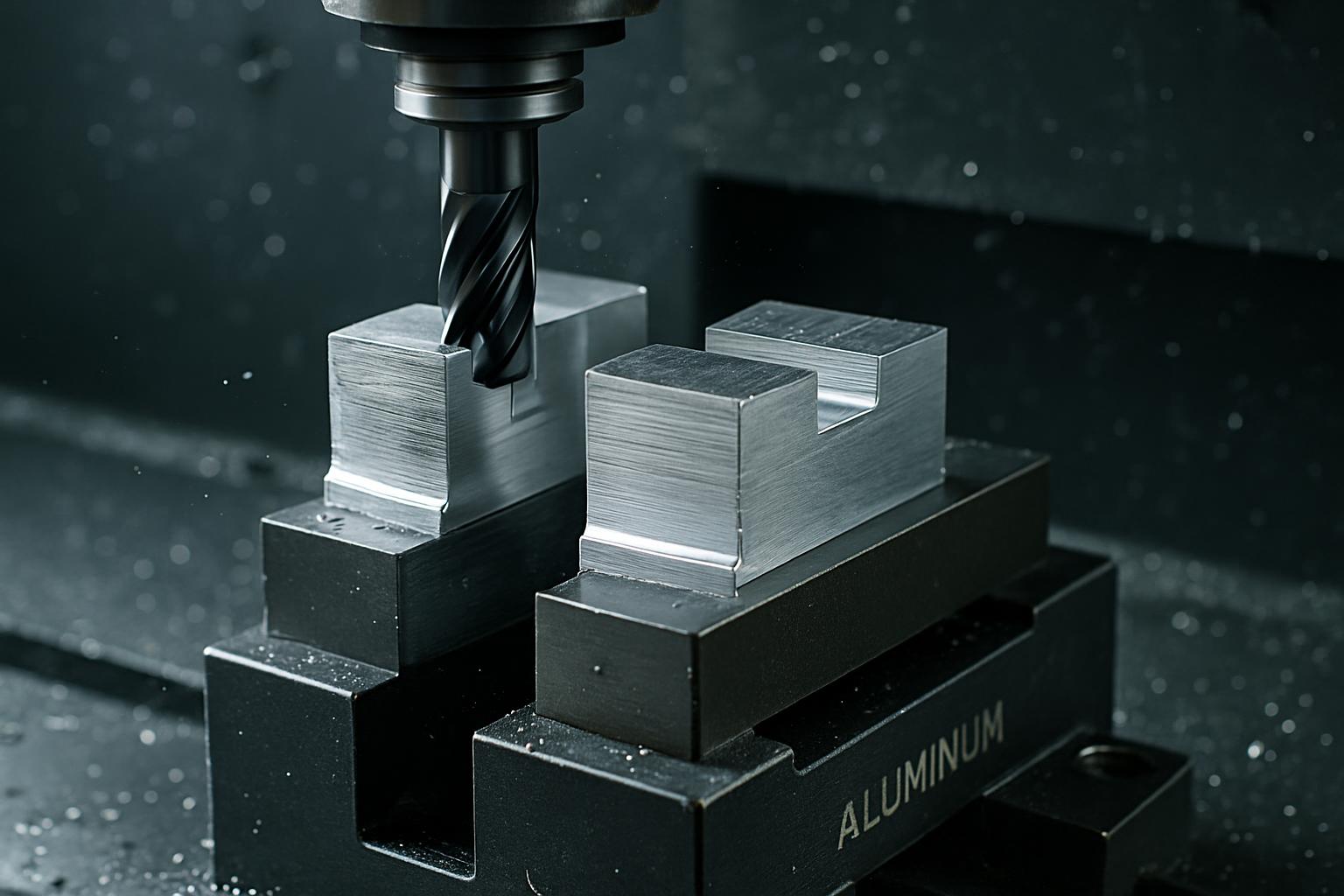
Aluminium extrusion bruises long before the blade touches it. On jobs shared between Gauteng and the coast, many rejects come from the vice, not the teeth. This note sets out where soft jaws help, what they should be made from, and when extra pressure only prints the profile into the clamping face.
Author Mr Yeshlan Singh keeps the voice practical. No tapestry metaphors. No robust seamless filler. Just the check that saves a board when Highveld dust or coastal humidity shows up mid-shift.
Keep this note near the saw where the vice is adjusted. The first piece off the rack tells you quickly if the jaw face is too hard, dirty, or too narrow for that section. A quick check now saves having to dress clamp marks out of anodised stock later.
Use this note alongside the relevant blade path and material path when you change from solid bar to thin-walled extrusion. Jaw material, jaw width, and contact points matter more on soft aluminium than many teams expect. If you send an enquiry through our contact form, name the profile type and whether the finish is mill, powder-coated, or anodised.
In Johannesburg dust, chips stick to soft jaw faces and press bright dents into clean sections. Durban humidity can leave moisture and fine oxidation on stored aluminium, which makes it easier for dirt to print under clamp load. On mitre saws and up-cut saws, wipe both the profile and the jaw inserts before resetting the vice after a stock change.
If your section collapses at the clamp point, the issue may be wall thickness, not blade choice. Hollow frames, shutter channels, and light architectural extrusions often need a broader jaw pad or a shaped insert. See more cases under Kerfs when the mark appears before any tooth enters the cut.
Before starting the run, clamp one offcut and release it without cutting. Look for witness marks on corners, radii, and thin return lips. If the profile shows a shiny patch or flattened edge, reduce pressure and move the clamp point to a stronger section of the shape.
Soft jaws are not all the same across workshop conditions. Polyurethane or nylon inserts suit many finished extrusions, while aluminium-specific rubber pads help on delicate coatings if they stay free of embedded swarf. Highveld sites usually need more frequent cleaning of the jaw face, and coastal shops should check for residue that has gone tacky in humid air.
When you use our contact form, send the section shape, wall thickness, and where the vice lands on the profile. Add one photo of the clamp mark and one of the jaw insert if possible. That makes it easier to separate a holding issue from a blade or feed issue.
Holding damage matters here, not cutting speed on its own. A fine-tooth non-ferrous blade can still leave you with reject stock if the vice crushes the section first. Open a fresh note when you move from box section to open channel, because the safe clamp area changes with the profile.
Our contact form handles clamp-mark questions, jaw material checks, and aluminium stock details from Kya Sands, Johannesburg.
Verified Google reviews