Contact form
Gallery
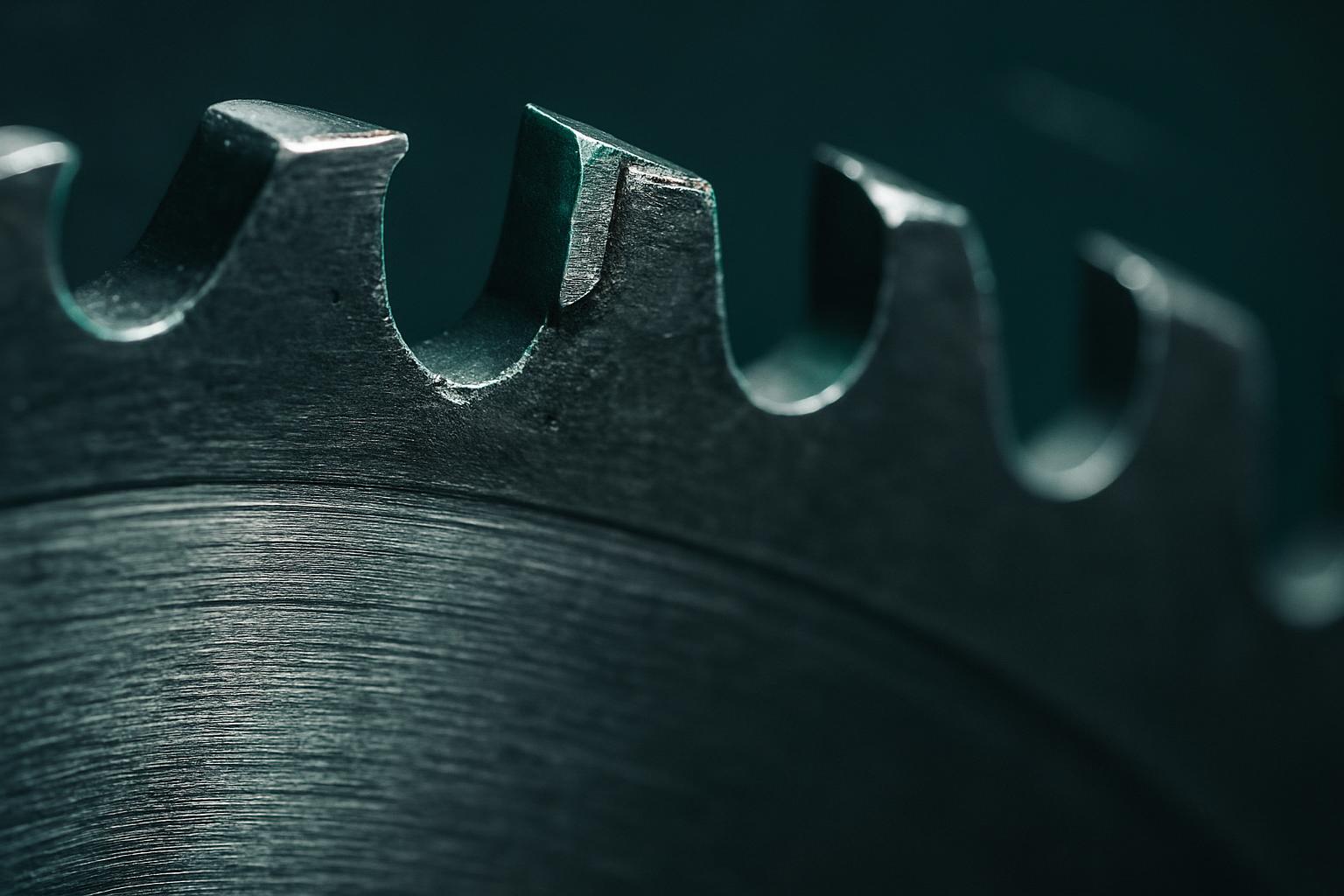
Straight kerf photographed before rate climb.

Straight kerf photographed before rate climb. Gallery leaves exist for workshops that want a visual reference before they open a blade path. This is not a moodboard dump. Each frame ties back to a kerf habit or a disc geometry.
Pair this frame with Blades and Kerfs when checking how a pine cut opens behind the tooth. Soft SA pine can show edge fuzz, resin drag, and a slight wander if feed pressure changes mid pass. Use our contact form if the workshop needs a larger image for machine setup or operator training.
Notice the kerf walls first, then the fibres lying along the exit side. In pine, a clean straight line usually points to stable feed, a sound plate, and teeth that are still clearing pitch instead of rubbing. Check whether the line stays even through knots, because that is where many workshop cuts start to pull.
Morning cuts in Gauteng often read differently once dust, heat, and resin build on the blade. Compare your first board of the shift to this image, then inspect for feathering, burn tint, or a kerf that narrows as the blade warms. A quick look at flange faces and fence alignment helps before blaming the disc.
Verified Google reviews
Kya Sands, Johannesburg handles plenty of pine work, so include the board thickness, saw type and any burn marks when you use our contact form. A clear note on feed pressure, resin build-up and whether the cut was rip or crosscut helps match the kerf line to the right blade in the catalogue.